



Science – Maxence Vincent lauréat d’une bourse ERC Starting Grant pour son projet MIMOSA
Maxence Vincent lauréat d’une bourse ERC Starting Grant pour son projet MIMOSA Retour sur l’obtention d’une bourse ERC Starting Grant (Horizon Europe) pour son projet MIMOSA par Maxence Vincent, chargé de recherche CNRS au sein de l’équipe « Réponses aux stress environnementaux » (dirigée par Benjamin Ezraty). Maxence Vincent Awarded an ERC Starting Grant for […]
Science – L’oxygène, moteur méconnu de l’évolution des photosymbioses
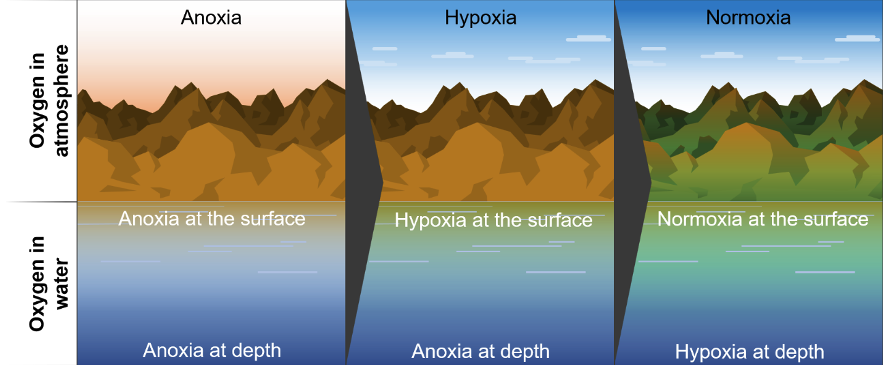
L’oxygène, moteur méconnu de l’évolution des photosymbioses La production d’oxygène par la photosynthèse est probablement l’un des plus importants événements de transformation de la planète par le vivant à travers les temps géologiques (Figure 1). Une équipe du LCB, en collaboration avec le BIAM/LGBP et Clément Car, s’est intéressée au rôle de l’oxygène dans l’évolution […]
Sascha Kuhn – Where a circle begins – Germination and early life cycle stages of Myxococcus xanthus.

Where a circle begins – Germination and early life cycle stages of Myxococcus xanthus With its intriguing social life style, Myxococcus xanthus is one of the most well-known examples of predatory bacteria. These bacteria form multicellular swarms that – like microscopic wolf packs – collectively hunt other microbes, form intricate wave patterns while feeding, and […]
Axel Magalon – Adapting microbial respiration to a changing environment: a lipid affair?

Adapting microbial respiration to a changing environment: a lipid affair? How do microorganisms adjust their energy metabolism to changing environments? This seminar explores how membrane lipid composition contributes to this adaptation. Using Escherichia coli as a model, we show that the requirement for cardiolipin depends on the metabolic regime, with a specific contribution to efficient […]
Com – Fête de la science 2026 : beau succès lors de la première édition de « Campus sciences & innovation »
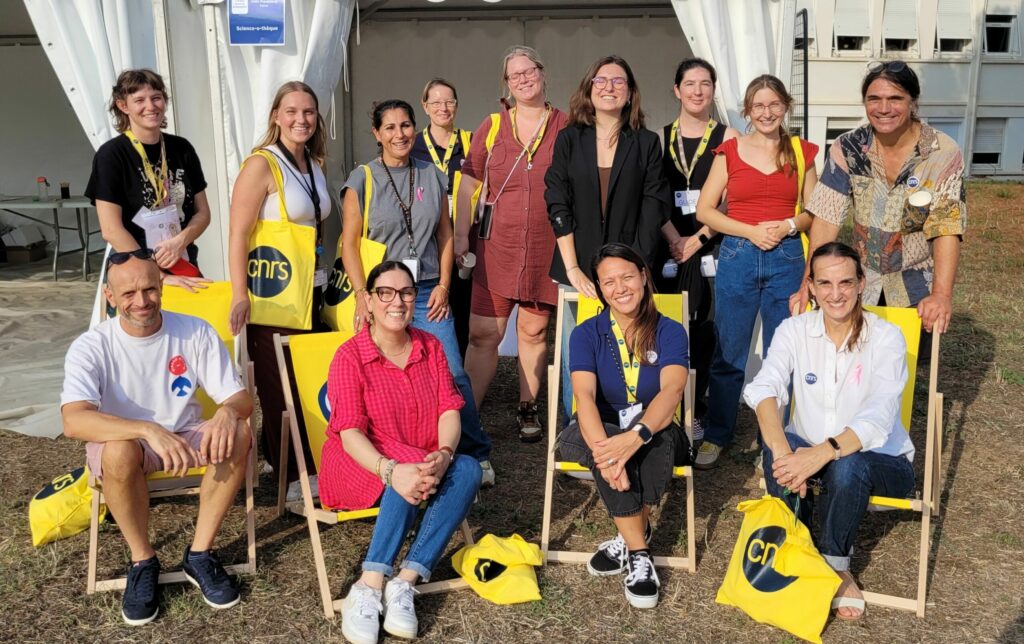
Fête de la science 2026 : beau succès lors de la première édition de « Campus sciences & innovation » Les 2 et 3 octobre derniers, le campus a ouvert ses portes au public à l’occasion de l’opération Campus sciences & innovation, organisée dans le cadre de la Fête de la science 2026. La journée […]
Jobs – Ingénieur(e) d’Études en microbiologie moléculaire et cellulaire

Informations Générales Intitulé du poste : Ingénieur(e) d’Études en microbiologie moléculaire et cellulaire Contrat : CDD de 12 mois (début avant fin année 2026) Lieux d’exercice : Laboratoire de Chimie Bactérienne (LCB, UMR7283, Marseille) et déplacements réguliers au BIAM (CEA Cadarache, Saint-Paul-lez-Durance). Mission Principale Dans le cadre du projet A*Midex TBMTM, l’ingénieur(e) d’études recruté(e) […]
Com – La Maison de Louis Pasteur à Arbois s’agrandit et explore le monde invisible
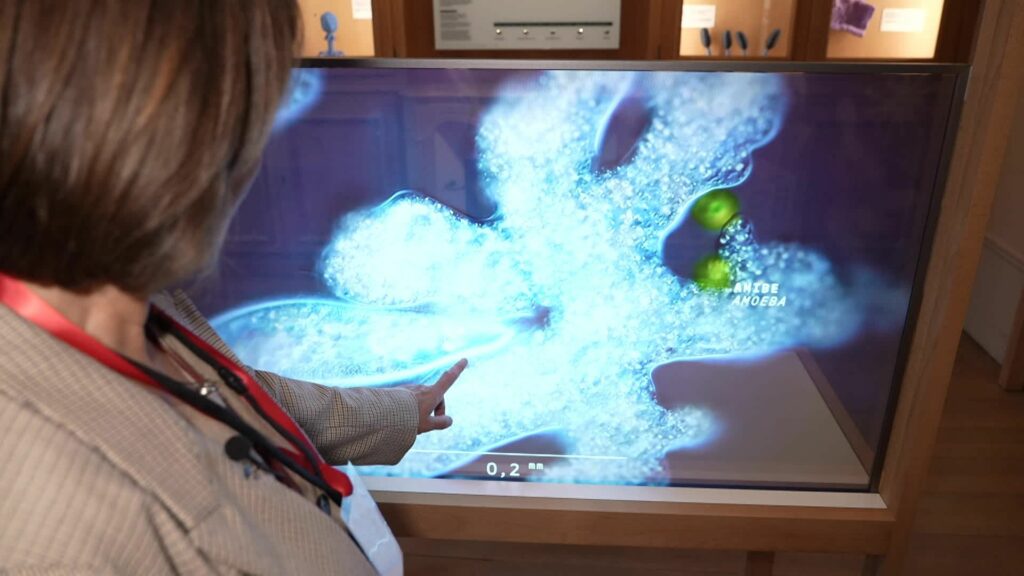
« S’il n’y a plus de microbes, il n’y a plus de vie »: la Maison de Louis Pasteur à Arbois s’agrandit et explore le monde invisible C’est une étape majeure pour la mémoire et la transmission de la microbiologie : la Maison de Louis Pasteur à Arbois (Jura), propriété historique de l’Académie des sciences, a inauguré […]
Science – Une architecture tubulaire inédite éclaire la respiration bactérienne

Une architecture tubulaire inédite éclaire la respiration bactérienne. Une étude publiée dans Nature Communications révèle une architecture protéique inattendue mais cruciale pour la respiration bactérienne. Chez Bacillus subtilis, la NADH déshydrogénase de type II, longtemps considérée comme une enzyme simplement associée à la membrane, s’organise en réalité autour d’un échafaudage tubulaire formé par la protéine […]
Sybille Lebert – Bacterial ice nucleation as a freezing survival mechanism on glacier surfaces
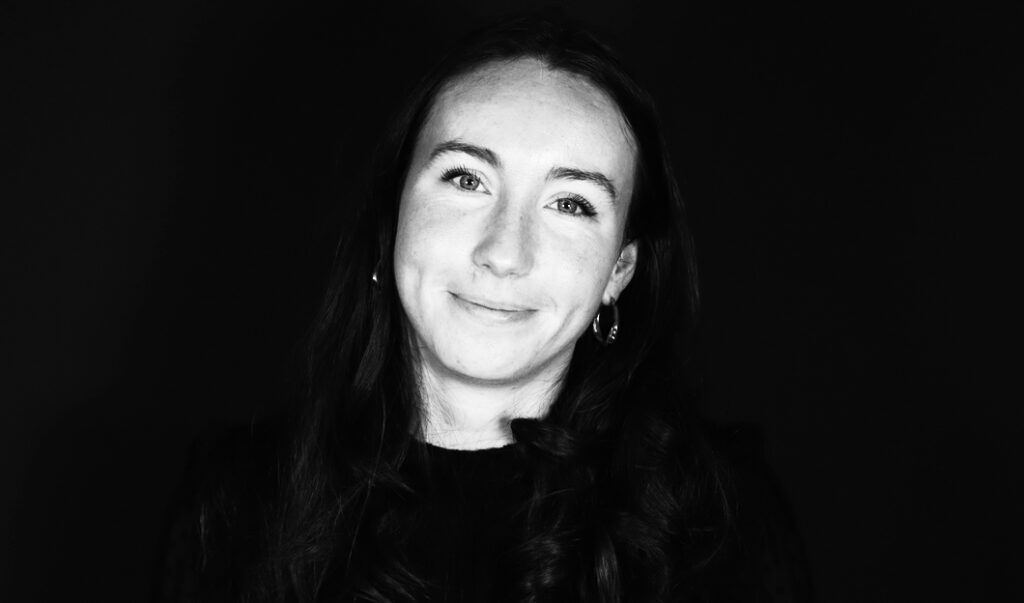
Bacterial ice nucleation as a freezing survival mechanism on glacier surfaces Microbial communities in glacial habitats endure extreme conditions such as low temperatures, freeze–thaw cycles, and limited water availability. Microorganisms in these environments possess a range of adaptations to tolerate such stresses. Among these, the ability of certain bacteria to nucleate ice through surface-exposed ice-nucleating […]
Thomas Kaboré – Uncovering novel RNA-mediated regulators of sporulation in Bacillus subtilis

Chaperone proteins in Fe-S cluster biogenesis Iron-sulfur clusters (Fe-S) are critical cofactors required for the activity of many proteins, including components of the oxidative phosphorylation chain, metabolic enzymes, transcription factors, proteins involved in biogenesis of ribosomes and replication/repair of DNA. The Fe-S biogenesis pathway, termed ISC, which functions in bacteria and mitochondria, is complex, involving many […]